
Popularized by televised dramas, the fields of crime scene investigation and criminal justice provide a range of popular career opportunities and pathways. At Eastern Florida State College, students can begin their journey into the world of forensics and public safety by choosing among four degree and certificate options.
“Learning crime scene technology is not like what you see on TV,” said EFSC student Danielle Strunk. “Parts of it are, but there’s so much more to it than people realize.”
Strunk discovered this firsthand. Though interested in the world of CSI, she assumed the field was limited to police officer detectives. Instead of pursuing her dream, she initially chose an associate of arts degree with a different career path in mind.
“I was always interested in the idea of collecting evidence and putting the scene together,” she said. “I didn’t realize that was different from being a detective.”
After learning about the multitude of civilian roles available to graduates, she enrolled in EFSC’s A.S. Crime Scene Technology program. Now, she’s enjoying a blend of classroom learning and hands-on labs involving crime scene photography, evidence documentation, and fingerprint development.
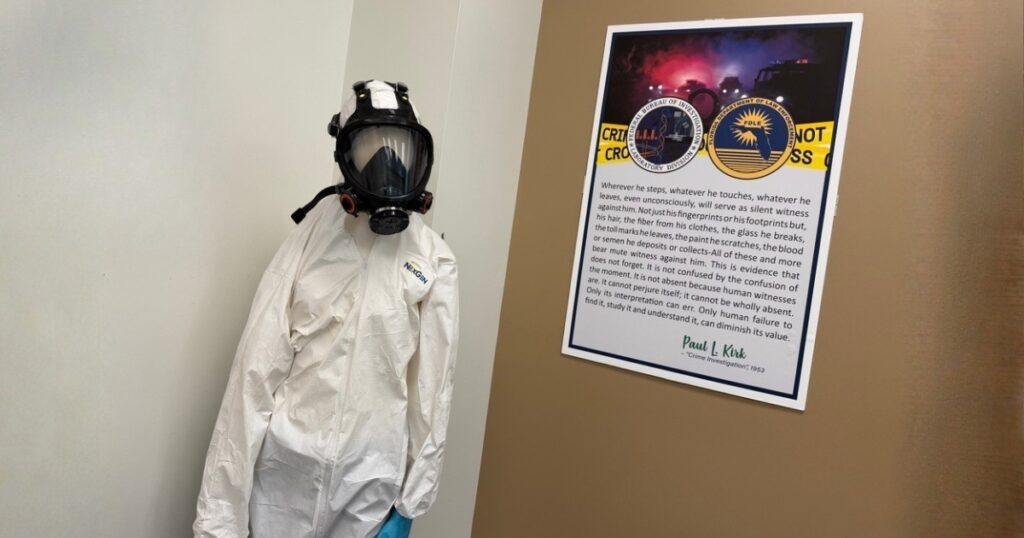
“The CSI effect is real,” said Crime Scene Technology instructor Justin Archey. “For years, these students watched a media version of what we do. In reality, we’re the ones who go in, locate, document, and preserve. There’s a niche for everybody in this field.”
EFSC’s Criminal Justice Technology & Crime Scene Technology Programs
Supporting these numerous niches of the field, EFSC offers four educational options tailored to students’ interests: an A.S. in Criminal Justice Technology, an A.S. in Crime Scene Technology, a Crime Scene Technician College Credit Certificate, and a Criminal Justice Technology Specialist College Credit Certificate. The Certificate programs provide shorter, 24-28 credit hour options that build foundational skills while counting toward courses in the 2-year associate of science degrees curriculum.
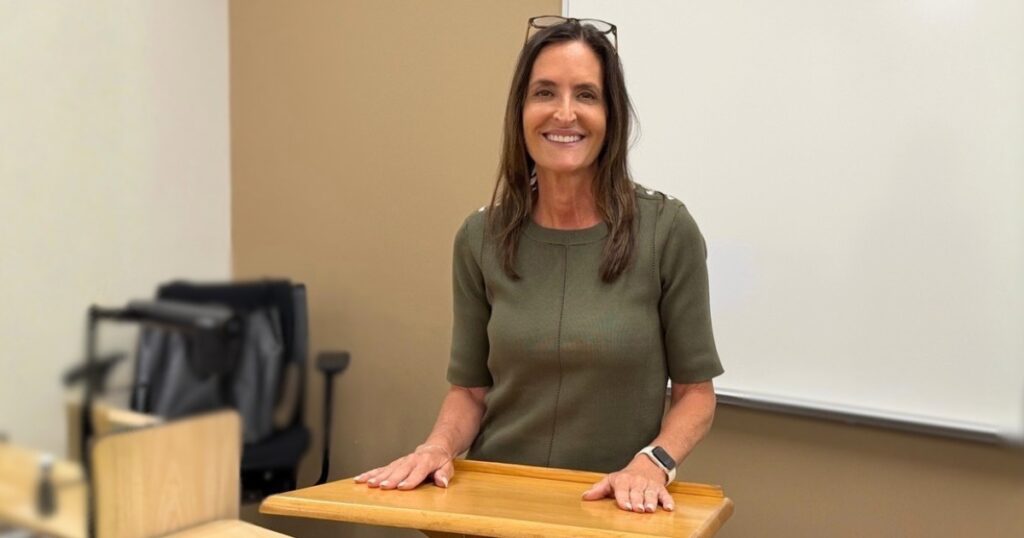
“My favorite part is being in the classroom,” said Tonia Graham, program manager of EFSC’s Criminal Justice Technology and Crime Scene Technology degrees. “The students’ enthusiasm keeps me excited.”
Graham brings over two decades of field experience into the classroom, including her work as a police officer, paralegal, firearms instructor, and federal probation officer. When students ask about the difference between EFSC’s programs, her answer is based on over 30 years of teaching them.
“Criminal justice is broad. It’s not just about law enforcement. You can be a victim advocate, a counselor, a paralegal,” she responded. “Crime scene is very specific. You are that investigator who works for a police department or sheriff’s office in a civilian position. You don’t have to be sworn law enforcement.”
Strong Community Partnerships & Field Trips
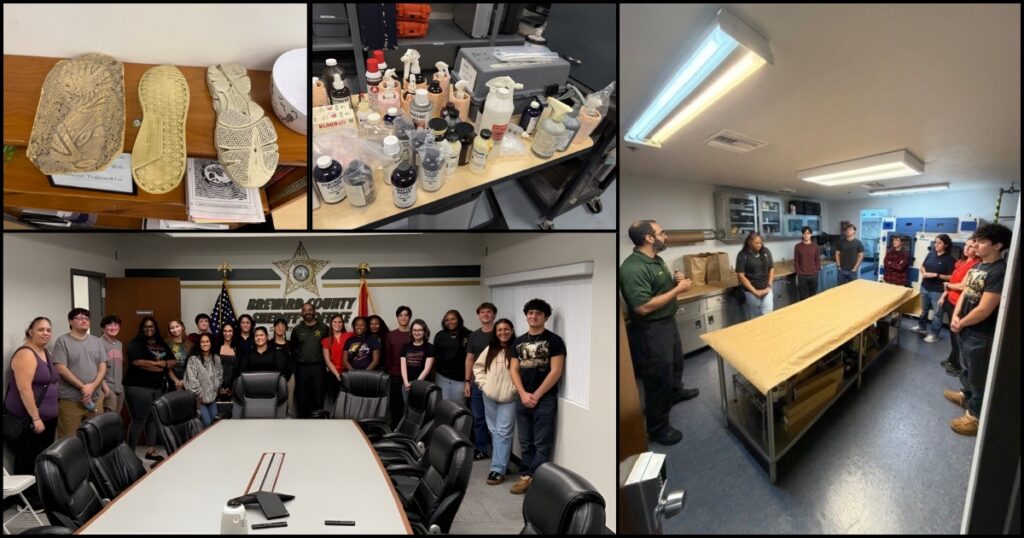
What both programs hold in common is an emphasis on experiential learning—not just from the textbook. The theoretical foundation taught in the classroom provides a basis for more tangible laboratory experiments and off-site field trips.
“In class, we’re learning about law enforcement, the corrections system, and the courts, basically how the entire system works together,” said Riley Dean, who is halfway through her program and taking core Criminal Justice Technology courses. “Then we go on lots of trips. We’ve visited jails, the CSI division, and the medical examiner’s office. I even saw autopsies performed.”
Dean, who entered the program with broad interests and unsure of her specialization, found the in-person experience invaluable for determining her career path.
“I love the number of trips we take. You learn so much and see everything in a different light,” she said. “I was surprised to learn how much I liked the medical examiner and forensic science side of things.”
For Graham, ensuring strong partnerships with local agencies provides students with a support system beyond the classroom, allowing opportunities for volunteering, hands-on training, and networking with professionals in the field.
“Everybody we work with is pro‑education. They want the students there,” said Graham. “For example, we have a great relationship with the county medical examiner’s office. Students can volunteer there one day a week—and get hands‑on training. They actually get to experience autopsies.”
Strunk provides a vivid example: “I’ve literally held a brain in my hand!”
Laboratory Training & Hands-on Learning
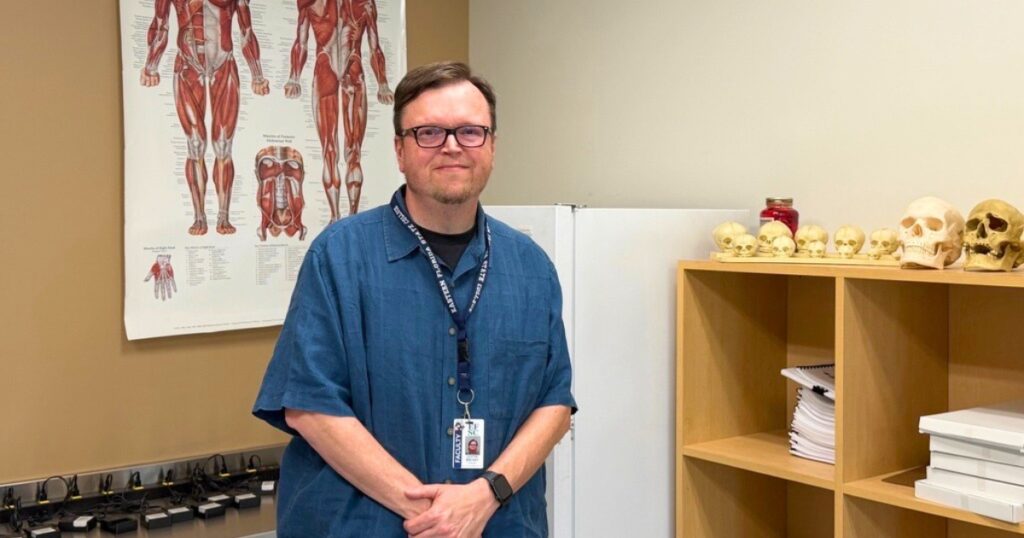
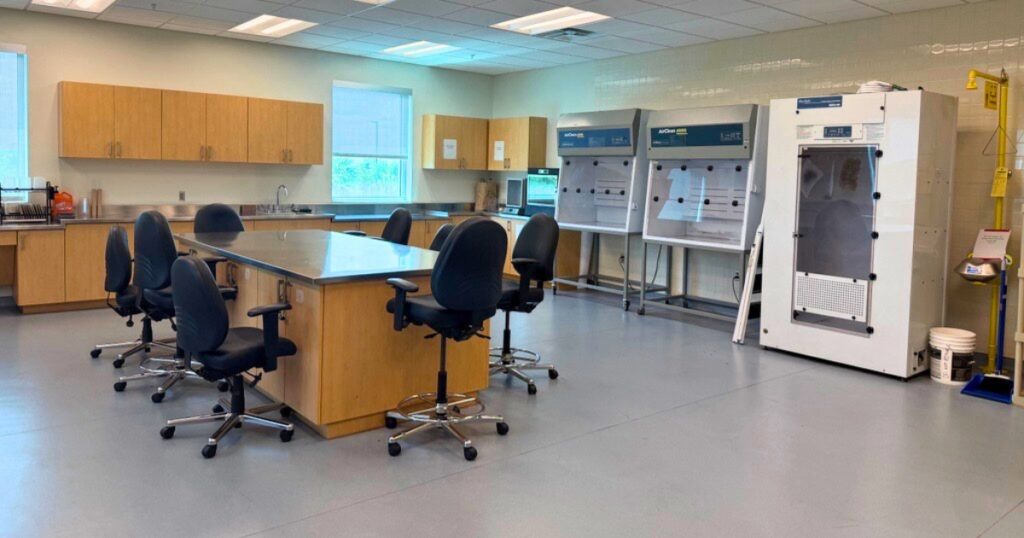
Students in the Crime Scene Technology program spend hours of class time in a state-of-the-art lab, featuring fingerprint fuming chambers, evidence drying chambers, vacuum chambers, microscopes, anatomically accurate skeletal models, professional cameras for photographing evidence, and more.
“Anything at the local level, and a little bit of what they do in state labs, we can do in here,” said instructor Justin Archey, whose background includes law-enforcement communications and crime scene investigation. “By the time the students complete the program, they have a firm grasp of how this work really happens. When I see the lightbulb click on and they really understand what they’re looking at, it’s amazing.”
The laboratory features a central table surrounded by specialized equipment, allowing students to collaborate while simultaneously processing and documenting evidence.
“Crime scene work is hands-on—fingerprints, photography, documenting everything,” said Strunk. “You’re actually doing the work in the lab.”
Career Pathways
Both the Criminal Justice Technology and Crime Scene Technology degrees provide a plethora of pathways for students to consider post-graduation, with specialization in a specific niche as the goal.
“The entertainment world has done a great job of making crime scene technicians seem like they’re experts in everything, and they’re not,” said Archey. “You learn a little bit about everything, but then you specialize in one or maybe two things like crime scene processing, fingerprint examination, or DNA. Maybe you want to be a chemist and learn how narcotics and the human body work. We need those, too.”
Archey believes “there’s a niche for everyone”—a statement echoed by Criminal Justice Technology instructor Tonia Graham.
“Many students come in with one focus and then they realize there are so many other avenues,” she said. “I tell them, ‘Always keep your mind broadened.’ You might think you want to follow one path, but once you’re in the studies you will learn about areas you never knew existed.”
After completing the program, many students continue their education with a bachelor’s degree in areas such as Criminal Justice, Forensic Science, or Engineering. Others find employment upon program completion, especially if they’ve forged strong relationships with local agencies through volunteering, internships, or networking.
“We have a technician at the sheriff’s office right now who graduated from our program,” said Archey.
Graham added, “I had one student who volunteered with the medical examiner’s office, and she ended up getting hired. Our agencies want Eastern Florida students.”
A Future in Forensics & Public Safety
“I am very proud of our Public Safety Institute and all of the public safety education programs we offer here at EFSC,” said College President Dr. Jim Richey. “Our Crime Scene Technology and Criminal Justice Technology degrees are led by instructors who have decades of experience in the fields they teach. The programs prepare students for career success with state-of-the-art laboratory technology, hands-on field experiences, and opportunities to network with professionals. Our graduates are sought after by agencies here in Brevard and statewide.”
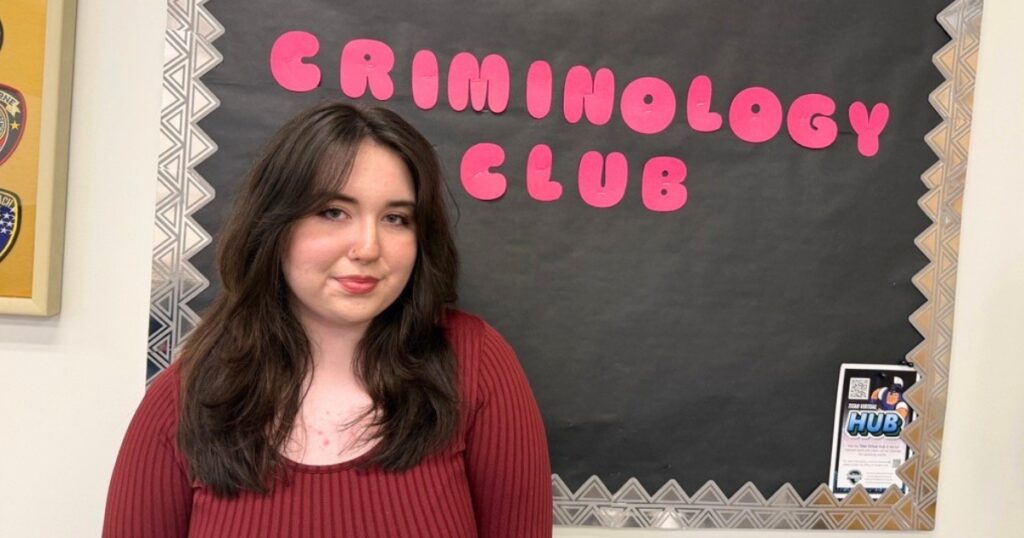
In the words of student Penelope Del Castillo: “What really enticed me into this program was the instructors’ passion—and that they were ready to teach me. They’re passionate about what they did in the field and what they’re teaching now.”
For Graham, seeing her students graduate, advance their education, and ultimately enter the field is the greatest reward.
“They’ll come back in their uniform to show me how well they’re doing—and they never forget their experience here at Eastern Florida.”